✨ New Arrivals Just Dropped!Explore

Shrubby St. John's Wort | Prairie Moon Nursery
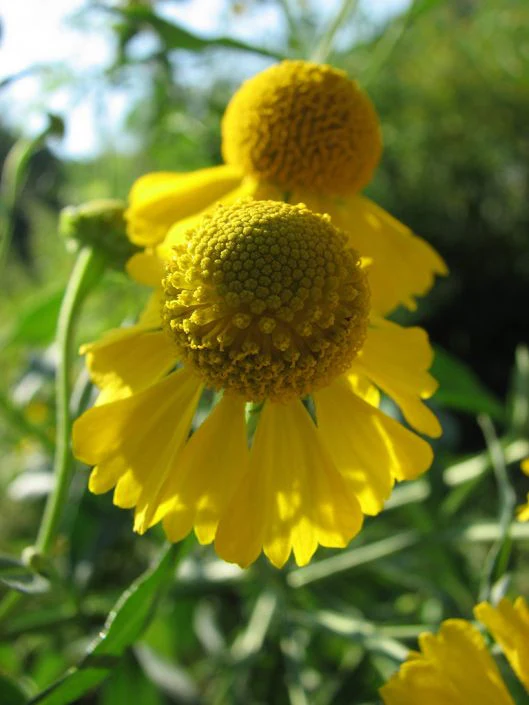
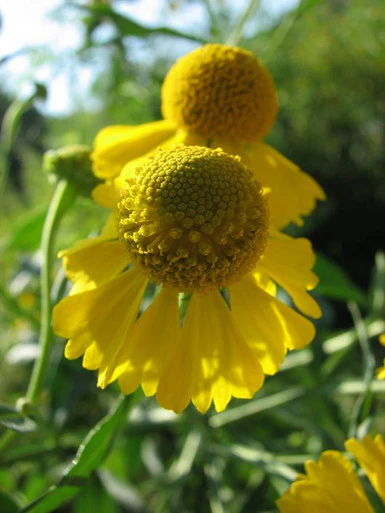
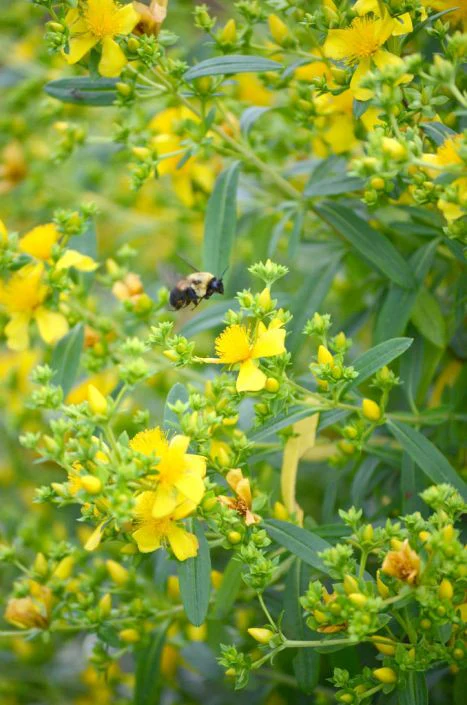
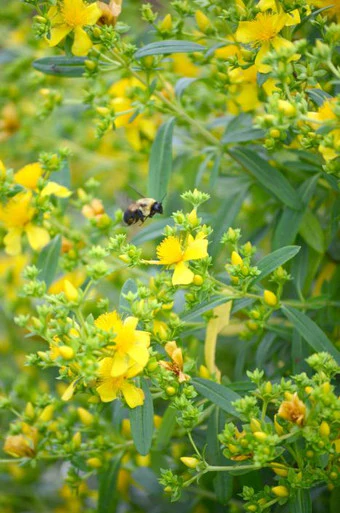
This shrub will naturally form a round-bush appearance but can be pruned early spring for a more mounded shape. An absolute bee magnet that is not picky about its sun and soil needs. It is rare that you get such beauty out of something so hardy. Able to grow under just about any soil condition you could throw at it, this lovely shrub is also quite resistant to deer and rabbits. Its secret lies in the toxic substances within its tissues that irritate the gastrointestinal tracts of mammals. It is a host plant for a variety of caterpillars and very attractive to a wide array of pollinators. Bumblebees are especially fond of the bright yellow flowers.
On the decline in some parts of its range, this species is actually considered threatened in New York and endangered in New Jersey. In the wild it can be found growing everywhere from stream banks to barren, rocky outcrops. This is a great addition to a native garden as it provides aesthetic appeal as well as ecosystem function.
On the decline in some parts of its range, this species is actually considered threatened in New York and endangered in New Jersey. In the wild it can be found growing everywhere from stream banks to barren, rocky outcrops. This is a great addition to a native garden as it provides aesthetic appeal as well as ecosystem function.
$5.00
Shrubby St. John's Wort | Prairie Moon Nursery—
$5.00
Product Information
Product Information
Shipping & Returns
Shipping & Returns
Description
This shrub will naturally form a round-bush appearance but can be pruned early spring for a more mounded shape. An absolute bee magnet that is not picky about its sun and soil needs. It is rare that you get such beauty out of something so hardy. Able to grow under just about any soil condition you could throw at it, this lovely shrub is also quite resistant to deer and rabbits. Its secret lies in the toxic substances within its tissues that irritate the gastrointestinal tracts of mammals. It is a host plant for a variety of caterpillars and very attractive to a wide array of pollinators. Bumblebees are especially fond of the bright yellow flowers.
On the decline in some parts of its range, this species is actually considered threatened in New York and endangered in New Jersey. In the wild it can be found growing everywhere from stream banks to barren, rocky outcrops. This is a great addition to a native garden as it provides aesthetic appeal as well as ecosystem function.
On the decline in some parts of its range, this species is actually considered threatened in New York and endangered in New Jersey. In the wild it can be found growing everywhere from stream banks to barren, rocky outcrops. This is a great addition to a native garden as it provides aesthetic appeal as well as ecosystem function.